H2O To GO

Best Water Softener & Reverse Osmosis Systems in Las Vegas

Phone Estimates
702-367-2100
  • 0
  • Home
  • Products
    • Drinking Water Systems
    • Whole House Systems
      • Water Refiners
      • Water Conditioners
      • Water Softeners
      • Salt Free Water Treatment
    • Light Commercial
    • Replacement Filter Cartridges
    • Water Softener Salt
  • Services
    • Water Systems Repairs
    • Water Softener Installation
    • Salt Delivery Service
    • Rental Systems
    • Free Water Test
  • Resources
    • Manuals & Instructions
    • Frequently Asked Questions
  • Benefits
    • What Are The Benefits Of Drinking High PH Water
    • Las Vegas Water Purification Systems
    • Best Under Sink Water Filter
    • Better Than Buying Bottled Water at your Local Groceries in Las Vegas NV
    • Plumbing and Appliance Savings with Home Water System from H2O to Go Las Vegas
    • Clean and Healthy Drinking Water from H2OtoGo’s Water Purification Systems in Las Vegas NV
    • Enjoy Healthier Hair and Skin with our Water System – H2OtoGo Las Vegas
    • Water Tastes Better with H2O to Go, a Las Vegas Water Purification System Company
    • Save Big on Detergent and Cleaning Product with our Home Water System in Las Vegas NV
    • No More Hard Water Spots in your Home in Las Vegas with our Water Systems
    • Whiter, Brighter, Longer Lasting Fabrics with H2OtoGo’s Home Water System in Las Vegas NV
  • Contact
  • Request Call Back
  • About
    • Reviews
    • Services Locations
      • HENDERSON, NV
      • SUMMERLIN, NV
    • H2O to GO’s Referral Program

February 14, 2026 by Bill Bacon

How long does water softening resin last in Las Vegas

Typical Lifespan in General

  • Under normal conditions, water softener resin typically lasts 10–15 years.

In Las Vegas

Las Vegas has some of the hardest municipal water in the U.S., with hardness often exceeding 250–300 ppm (15–20 grains per gallon).
Because of this:

  • Resin lifespan is usually shorter: around 7–10 years for standard ion-exchange resin.
  • The high calcium, magnesium, and silica content causes more rapid fouling and iron buildup, especially if not periodically cleaned.

Factors That Affect Lifespan

  1. Water Hardness & Chlorine Levels
    Las Vegas water has high chlorine content, which oxidizes and degrades resin beads over time.
    → Consider a carbon pre-filter to remove chlorine before the softener.
  2. Regeneration Frequency
    If your softener regenerates very often (daily or every other day), resin wear accelerates.
  3. Maintenance & Cleaning
    Regular use of a resin cleaner, such as citric acid or Iron-Out-type products every few months, can help extend life.
  4. Type of Resin
    • Standard (8% crosslink): Lasts about 7–10 years in Las Vegas.
    • High-Capacity (10% crosslink): More chlorine-resistant, can last 10–15 years even in harsh conditions.

Signs It May Be Time to Replace

  • Noticeably harder water despite enough salt in the brine tank
  • Increased water spots or soap scum
  • Softener regenerates more often or ineffectively
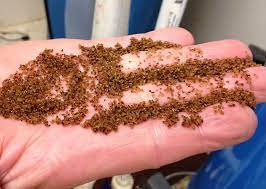
  • You hear resin beads in your plumbing or see them in faucet aerators

Recommendations

  • Use a chlorine-removal stage before your softener.
  • Choose 10% crosslink resin when replacing.
  • Schedule a professional resin bed inspection every 5 years.

Filed Under: Frequently Asked Questions, Water Softener Henderson, Water Softener Las Vegas, Water Softeners Tagged With: water softeners

May 1, 2024 by Bill Bacon

Salt-Free Water Softeners vs. Traditional Water Softeners

Water expert on consultation with housewife

In the quest for cleaner, softer water, homeowners are often faced with the choice between salt-free water softeners and traditional water softeners. Both promise to alleviate the nuisances of hard water, but their methods and outcomes differ significantly. Understanding the disparities between these two options can help you make an informed decision tailored to your specific needs.

Traditional Water Softeners

Traditional water softeners, often referred to as ion exchange softeners, have long been the go-to solution for combating hard water. They operate by exchanging calcium and magnesium ions—the culprits behind water hardness—with sodium ions. This exchange takes place within a tank filled with resin beads coated with sodium ions. As hard water flows through the tank, the calcium and magnesium ions cling to the resin beads, while the sodium ions are released into the water, effectively softening it.

Benefits:

1. Effective Softening: Traditional water softeners provide thorough softening by removing the calcium and magnesium ions responsible for hardness.

2. Proven Technology: These systems have been in use for decades and are widely regarded for their reliability and effectiveness.

3. Improved Water Quality: Softened water can lead to cleaner dishes, softer clothes, and reduced scale buildup in pipes and appliances.

Salt-Free Water Softeners:

Salt-free water softeners, also known as descalers offer a different approach to tackling hard water issues. Instead of removing calcium and magnesium ions, these systems use various technologies such as template-assisted crystallization (TAC) or electromagnetic waves to transform the ions into crystals that do not adhere to surfaces. This process prevents the minerals from forming scale buildup while allowing them to remain in the water. While salt-free systems can prevent scale buildup, they do not remove calcium and magnesium ions from the water, which means the water may still exhibit some hardness characteristics.

Benefits:

1. Low Maintenance: Salt-free water softeners typically require less maintenance since they do not rely on salt or resin beads.

2. No Sodium Addition: Unlike traditional softeners, salt-free systems do not add sodium to the water, making the softened water suitable for those with dietary restrictions or health concerns.

3. Environmentally Friendly: Salt-free water softeners do not discharge salt brine into the environment during regeneration, reducing their environmental footprint.

Conclusion

In the debate between salt-free water softeners and traditional water softeners, there is no one-size-fits-all solution. Each option comes with its own set of benefits and drawbacks, and the best choice depends on factors such as water hardness levels, maintenance preferences, health considerations, and environmental concerns.

Filed Under: Frequently Asked Questions, Water Softener Henderson, Water Softener Las Vegas, Water Softeners Tagged With: water softeners

July 24, 2023 by Bill Bacon

Flushing Resin Beads from Plumbing in Water Softener: How to Resolve the Issue

Water Softener resin

What’s Causing Resin Beads in Your Water?

Inside every water softener is a bed of resin beads that removes hardness minerals like calcium and magnesium. These beads are supposed to stay contained inside the tank.

However, when internal components fail—such as the distributor tube or internal screens—the resin can escape and travel throughout your home’s plumbing.

This is more common in mass-produced systems where internal parts wear out or break prematurely.


How to Flush Resin Beads from Your Plumbing

Sometimes, only a small amount of resin makes its way into your plumbing. If that case, you may only need to unclog the aerators. Aerators are the screens located in the tips of your faucents. But lets assume you had a complete resin loss. Here is what you do:

1. Bypass the Water Softener

Place your system on bypass. Most bypass valves are located between the pipes coming out of your wall and the valve or head on top of the tall cylinder. The instructions are usually written on the bypass but most involve turning a handle or handles to divert the flow of water before it goes into the valve on top of your system.

2. Drain Your Water Heater

Drain the tank completely, Consult the water heater’s manuel for this as all water heater are not the same. Make sure to turn off the gas or electricty and flush it out completly to remove trapped resin beads.

3. Remove Faucet Screens and Showerheads

Take off all aerators and screens to prevent clogging and allow debris to pass through.

4. Flush Your Plumbing System

Open all cold water faucets and let them run continuously.

5. Run All Appliances

Cycle water through:

  • Washing machines
  • Dishwashers
  • Showers and tubs
  • Any other water-using fixtures

6. Check for Clogs

If anything backs up or loses pressure:

  • Shut it off
  • Disconnect hoses
  • Clear out any resin buildup

7. Continue Until Water Runs Clear

Flush until all visible debris is gone from every outlet.


Don’t Skip This Step: Fix the Root Problem

Flushing your plumbing is only part of the solution.

If your water softener is damaged, it will continue to release resin beads as soon as it’s turned back on.

Keep your system in bypass mode until it’s properly repaired or replaced.


How H2O To Go Solves the Problem

At H2O To Go, we go beyond temporary fixes. We identify exactly what failed and provide long-term solutions, including:

  • Replacing broken internal components
  • Rebuilding or re-bedding resin tanks
  • Upgrading you to a more reliable, high-performance system
  • Installing systems designed to prevent this issue altogether

We specialize in dependable, high-quality water filtration and softening systems—so you don’t have to deal with problems like this again.


Need Help? We’re Here

If you’re dealing with resin beads in your plumbing, don’t wait. The longer it goes unresolved, the more it can impact your fixtures and appliances.

Contact H2O To Go today for expert diagnosis and fast, reliable service.

Filed Under: Frequently Asked Questions, Water Softener Henderson, Water Softener Las Vegas, Water Softeners Tagged With: water softeners

July 24, 2023 by Bill Bacon

What Is That Gunk in My Water Softener Salt Tank (and How Do I Clean It Out?)

Why Is There Gunk in My Water Softener Salt Tank?

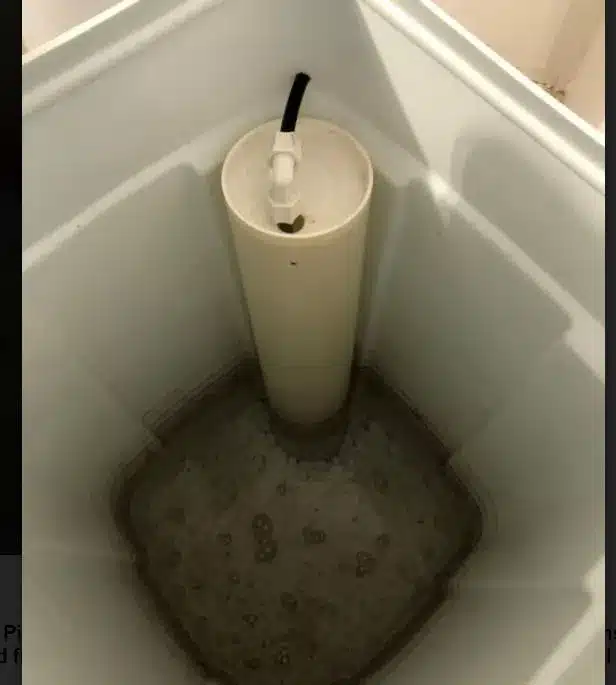
If you’ve opened your water softener salt tank and noticed brown sludge, hardened salt chunks, or sticky residue at the bottom, you’re not alone. This buildup is actually very common, especially in areas with very hard water like Las Vegas.

Over time, several things can collect in the salt tank and form what many homeowners call “gunk.”

1. Salt Mush (Sludge)

Salt pellets can slowly break down when exposed to humidity and water inside the tank. When this happens, the salt can turn into a thick slushy sludge known as salt mush.

This buildup can clog the softener’s brine intake, preventing the system from regenerating properly.

2. Insoluble Materials in Salt

Even high-quality water softener salt contains small amounts of insoluble material like:

  • Dirt
  • Sand
  • Clay
  • Mineral particles

These materials don’t dissolve and eventually settle at the bottom of the brine tank, forming a layer of residue.

3. Iron and Mineral Buildup

In homes with iron in the water supply, rust-colored sludge can appear in the tank.

The minerals removed during the softening process can also contribute to sediment accumulation over time.

4. Salt Bridges Breaking Apart

A salt bridge is a hard crust that forms above the water level in the tank. When these break apart, chunks fall into the water and can create additional sludge.


Signs Your Water Softener Tank Needs Cleaning

Your water softener may still be running, but the salt tank buildup can cause it to work less efficiently.

Watch for these warning signs:

  • Your water suddenly feels hard again
  • The salt level never seems to go down
  • Large clumps of salt form in the tank
  • You see dark sludge at the bottom
  • The system regenerates but doesn’t improve water quality

If you notice any of these symptoms, it may be time to clean the tank.


How to Clean a Water Softener Salt Tank

Cleaning your water softener salt tank is a simple maintenance task that usually only needs to be done every 1–2 years.

Step 1: Turn Off or Bypass the Softener

Put your system into bypass mode or unplug it before starting.

Step 2: Remove the Salt

Use a scoop, cup, or small container to remove most of the salt from the tank.

If the salt is still clean and dry, you can often reuse it.

Step 3: Break Up Hardened Salt

If there are solid chunks or crusts, gently break them apart using:

  • A plastic tool
  • A wooden broom handle

Avoid using sharp metal tools that could damage the tank.

Step 4: Remove the Sludge

Scoop out the mush and debris at the bottom.

Some homeowners also use a wet/dry shop vacuum to remove leftover sediment.

Step 5: Rinse the Tank

Add a few gallons of warm water and swirl it around to rinse out remaining residue. Remove the dirty water.

You can also wipe the inside with mild soap and water, but avoid strong chemicals.

Step 6: Add Fresh Salt

Refill the tank with fresh salt pellets and restart the system. Running a manual regeneration cycle can help flush everything properly.


How to Prevent Salt Tank Buildup

A few simple habits can keep your water softener running efficiently:

✔ Use high-quality evaporated salt pellets
✔ Keep the tank half to three-quarters full
✔ Check the tank every few months
✔ Break up salt bridges if they form
✔ Clean the tank every 12–24 months

Regular maintenance helps extend the life of your water softener and prevents expensive repairs.


Why Water Softener Maintenance Matters in Las Vegas

Las Vegas has extremely hard water, often measuring 250–300+ ppm of hardness. This means water softeners here work harder than in many other parts of the country.

Because of this, regular maintenance is especially important to keep your system operating efficiently.

A properly maintained softener helps:

  • Protect plumbing from scale
  • Improve soap and detergent performance
  • Extend appliance life
  • Improve shower and skin comfort

Need Help With Your Water Softener?

If your softener is clogged with sludge, not regenerating properly, or producing hard water again, it may be time for a professional inspection.

At H2O To Go of Las Vegas, we’ve helped local homeowners improve their water for over 25 years with expert water testing, softener service, and advanced filtration systems.

Whether you need maintenance, cleaning, or a new system, our team is happy to help.

📞 Contact H2O To Go today to schedule a water test or softener service.


Filed Under: Water Softener Henderson, Water Softener Las Vegas, Water Softeners

  • 1
  • 2
  • 3
  • Next Page »

Local Las Vegas Water Treatment

Most water systems aren’t designed to treat Las Vegas water. For this reason, H2O to Go designs water purification systems designed to treat the water found in most households in Southern Nevada.

  • 24 Hour Service Available
  • Installation available
  • Salt delivery available
  • Filter changes available
  • 10 point inspection cycles and testings
  • No Hidden Costs
  • Award Winning Service!

Request More Information

Contact Us

  • This field is for validation purposes and should be left unchanged.

Search

Quick Links

  • Cart
  • Quote Request
  • H2O to GO’s Referral Program
  • Commercial & Home Builder Partners
  • Cartridge Replacement Video

Certifications

NSF
NSF certification
WQA
WQA certification
IAMPO certified
IAPMO certification

License

Nevada Contractors #91997

Bond #5862731

Find US

4345 W Tompkins Las Vegas, NV 89103

  • Cart
  • Quote Request
  • H2O to GO’s Referral Program
  • Commercial & Home Builder Partners

Handcrafted with on the Genesis Framework