
What Is The Science Behind Water Hardness
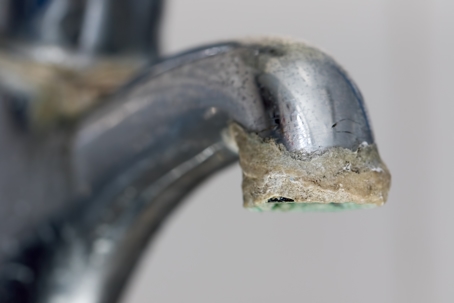
Water hardness is a scientific term used to describe the amount of dissolved minerals in water, primarily calcium and magnesium. These minerals are naturally picked up as water travels through rock and soil before reaching reservoirs, wells, and municipal water systems.
In areas like Las Vegas, water travels long distances through mineral-rich geological formations before it reaches homes. As a result, it absorbs significant amounts of calcium and magnesium, which is why Southern Nevada is known for having very hard water.
Understanding the science behind water hardness can help homeowners see why mineral buildup occurs and why water treatment systems are so common in the region.
How Water Becomes Hard
Rainwater starts out relatively pure. As it falls to the ground and flows through soil and underground rock layers, it dissolves small amounts of minerals.
Two of the most common minerals are:
• Calcium
• Magnesium
These minerals come from rocks such as:
• limestone
• chalk
• gypsum
When water dissolves these minerals, they remain in the water as dissolved ions. The higher the concentration of these ions, the harder the water becomes.
How Water Hardness Is Measured
Water hardness is typically measured using two common units:
Grains per gallon (GPG)
or
Parts per million (PPM)
Both measurements represent the concentration of dissolved minerals.
Typical hardness levels look like this:
| Hardness Level | GPG | PPM |
|---|---|---|
| Soft water | 0–3 | 0–50 |
| Moderately hard | 3–7 | 50–120 |
| Hard | 7–10 | 120–180 |
| Very hard | 10+ | 180+ |
Las Vegas water often measures 15–18 grains per gallon, which falls firmly into the very hard water category.
Why Hard Water Creates Scale
When hard water is heated or evaporates, the dissolved minerals can come out of solution and form solid deposits.
This process creates scale, also known as limescale.
Scale commonly appears on:
• faucets
• shower doors
• kettles
• coffee makers
• water heaters
Inside pipes and appliances, scale buildup can reduce efficiency and restrict water flow.
Chemical Reaction Behind Scale
One of the most common forms of scale is calcium carbonate.
When calcium bicarbonate in water is heated, it breaks down into calcium carbonate, carbon dioxide, and water.
This reaction leaves behind the familiar white mineral deposits seen in many Las Vegas homes.
Why Hard Water Affects Soap
Hard water also reacts with soap. Calcium and magnesium ions bind with soap molecules and form an insoluble substance commonly called soap scum.
Instead of dissolving completely, soap forms a sticky residue that can stick to:
• sinks
• bathtubs
• skin
• fabrics
This is why soap often doesn’t lather well in hard water and why more detergent is needed for cleaning.
How Water Softeners Solve the Problem
Water softeners use a process called ion exchange. Inside the softener tank are tiny resin beads that hold sodium or potassium ions.
As hard water passes through the resin:
• calcium ions are captured
• magnesium ions are captured
• sodium ions are released into the water
This exchange removes the hardness minerals and produces soft water throughout the home.
Soft water helps prevent scale buildup, improves soap performance, and can extend the life of plumbing and appliances.
Why Water Hardness Matters in Las Vegas
Because Southern Nevada has such high mineral content in its water supply, many homeowners experience common hard water problems like:
• scale buildup on fixtures
• cloudy dishes
• dry skin and hair
• reduced appliance efficiency
Understanding the science behind water hardness helps explain why water softeners and filtration systems are so widely used throughout the Las Vegas valley.
For homeowners dealing with these issues, water treatment solutions can make a significant difference in both water quality and home maintenance.